
Body and Diet
Living With A Yeast Infection

08
Nov
Nov
When someone speaks about suffering from a ‘yeast infection’ or having a ‘yeast problem’ they are usually referring to a condition caused by an overgrowth of the fungal form of candida albicans called candidiasis which can either be persistent or can be a problem that periodically flares up in times of stress or poor dietary choices.
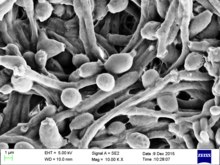
Candida albicans
Candida albicans is a type of yeast that is a common member of the human gut flora. It can also survive outside the body. It is estimated that 40-60% of healthy adults have Candida albicans in their gastrointestinal tract and mouth.
Candida albicans is usually harmless, but it can sometimes grow out of control and cause infection. This is called candidiasis. Candidiasis is the most common type of fungal infection in humans.
Candida Albicans is an organism that can exist in two distinct forms. In its common form it is a yeast organism that is normally present in the intestines of both adults and children, in this form candida presents no problem. However, Candida can exist in another form, a fungal form, and it is in this fungal state that candida can contribute to a whole host of seemingly unrelated problems. Intestinal candida can mutate to its fungal form due to:- Over use of antibiotics
- Long term poor dietary choices
- Periods of prolonged stress
- Short periods of intense stress / pressure or intense emotional upset ( relationship strains, break ups, bereavement etc.)
What are the symptoms of Candida Overgrowth?
The symtoms are many and are so varied and manifest as so many other problems that you would not believe that they can be caused by the same thing. Some symptons are listed below, if you only have more two or three of these symptoms on a regular basis then you may have a problem with candida overgrowth:- Recurring headaches/ migraines.
- Rashes, itching skin.
- Thush – oral/vaginal.
- Abdominal bloating. Intestinal bloating can also be caused by ‘swallowing air’ and the simple cure is ‘catch yourself doing it and stop it’.
- Recurrent indigestion.
- Dry mouth or throat, constantly having to clear throat when speaking.
- Joint pain.
- Brain fog, fuzzy thinking.
- Feeling ‘blue’, mood swings.
- Hangover symptoms after bread/cakes.
- Sinus problems.
- Athletes foot type fungal problems.
How can I tell if I have a problem with Candidiasis.
The best way to tell is to have a test done. Biolab Medical Unit in London (020 7636 5959) and Great Smokies Laboratory USA (http://www.gsdl.com/) do a number of tests that can be helpful.- The Indican test will indicate the correct ratio of good & bad bacteria in the gut, and whether your gut is absorbing enough protein, carbohydrates and nutrients from your food.
- The Gut Fermentation Test measures blood alcohol after a glucose load.
- The intestinal permeability test.
In addition to medical treatment, there are some lifestyle changes that can help to prevent and manage candidiasis, such as:
- Eating a healthy diet: Eating a diet that is low in sugar and processed foods can help to keep Candida in check.
- Avoiding douching: Douching can disrupt the natural balance of bacteria in the vagina, which can make it more difficult for the body to fight off Candida.
If you have chronic candidiasis, you may need to work with a doctor or registered dietitian to develop a personalized treatment plan.
Probiotic Products. Threelac is our intestinal flora re-balancer of choice, it is very effective but has to be used properly you can purchase it here.